
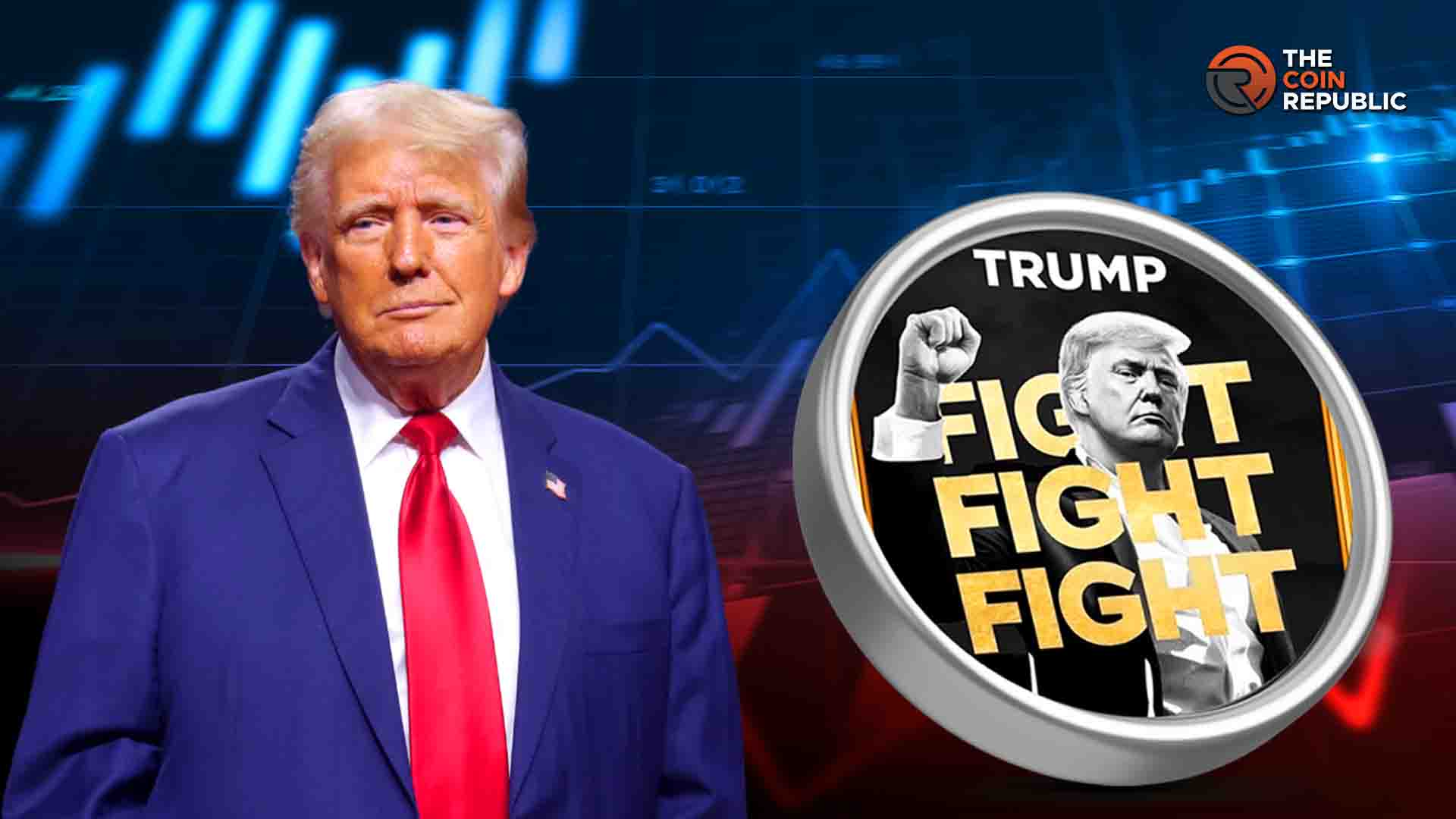
TRUMP Coin Faces Significant Decline After Gala Event
The controversial memecoin, TRUMP Coin, experienced a sharp decline of 15.23% following a high-profile gala dinner on May 22. The token’s price plummeted from $14.90 to $12.63 in a single night, positioning it among the least-performing cryptocurrencies within the top 100. Analysis from on-chain data and wallet monitoring tools indicates that nearly 40% of the top 220 wallets holding TRUMP tokens sold off their assets during or after the event, indicating a loss of confidence in the memecoin’s perceived utility and worth.
Gala Event Triggers Mass Sell-Off
The dinner, taking place at Trump’s National Golf Course, was an exclusive affair for significant TRUMP Coin holders, with invitations based on wallet balances calculated weeks in advance. Despite this exclusivity, many attendees opted to liquidate their TRUMP holdings before, during, or after the event, resulting in substantial sell-offs. Data shows that nearly half of the wallets that once qualified for attendance had divested from the token by the time the event occurred. This trend reflects that many investors prioritize social engagement over financial returns when it comes to the memecoin.
Understanding TRUMP Coin’s Functionality
According to the official TRUMP website, token holders do not receive traditional financial benefits such as equity or dividends. Instead, the coin is framed as a means of expressing support for the ideals represented by the symbol $TRUMP and its associated artwork. Since its inception, TRUMP Coin has struggled to establish tangible utility. The gala, intended to invigorate community spirit, inadvertently showcased the coin’s limited financial appeal. The subsequent price drop further revealed investor skepticism regarding its long-term viability.
Notable Attendees and Public Backlash
Among the high-profile guests at the event was Tron founder Justin Sun, who reportedly invested $40 million in TRUMP tokens and expressed excitement about discussing cryptocurrency with the former president. Other notable attendees included Oh Sang-rok, CEO of Hyperithm, who handed out “Make Crypto Great Again” hats, and Vincent Liu from Kronos Research, who was looking to engage with US markets. However, the event was not without controversy, as protestors gathered outside, denouncing the gathering. Democratic Senator Jeff Merkley referred to the dinner as the “Crypto Corruption Club,” criticizing the intersection of political influence and speculative crypto investments. In response to concerns about financial gain, White House Press Secretary Karoline Leavitt labeled such claims against Trump as “absurd.”
Memecoin Volatility Highlighted by Price Drop
The substantial 15% drop in TRUMP Coin’s value post-gala exemplifies the volatility inherent in memecoins, particularly those associated with political figures. In contrast, other significant cryptocurrencies demonstrated more stable performance, suggesting that confidence in TRUMP Coin is tenuous and largely influenced by events. With no dividends or equity rights to support its value, TRUMP Coin’s market performance heavily relies on its cultural and political significance rather than objective fundamentals. The decision by 40% of top holders to sell off their assets indicates a trend of investors either taking profits or distancing themselves amid increasing scrutiny.
Future Uncertainty for TRUMP Coin
The aftermath of the gala and the market’s reaction underscore the risks tied to cryptocurrencies with political affiliations. While memecoins can attract considerable short-term attention, maintaining investor interest necessitates clearer utility and greater acceptance. As of May 25, 2025, TRUMP Coin continues to exist as a niche token characterized by high volatility and an unclear trajectory. The fallout from the gala and its impact on the market offer valuable insights into the complexities of merging political branding with the demands of the cryptocurrency marketplace.


